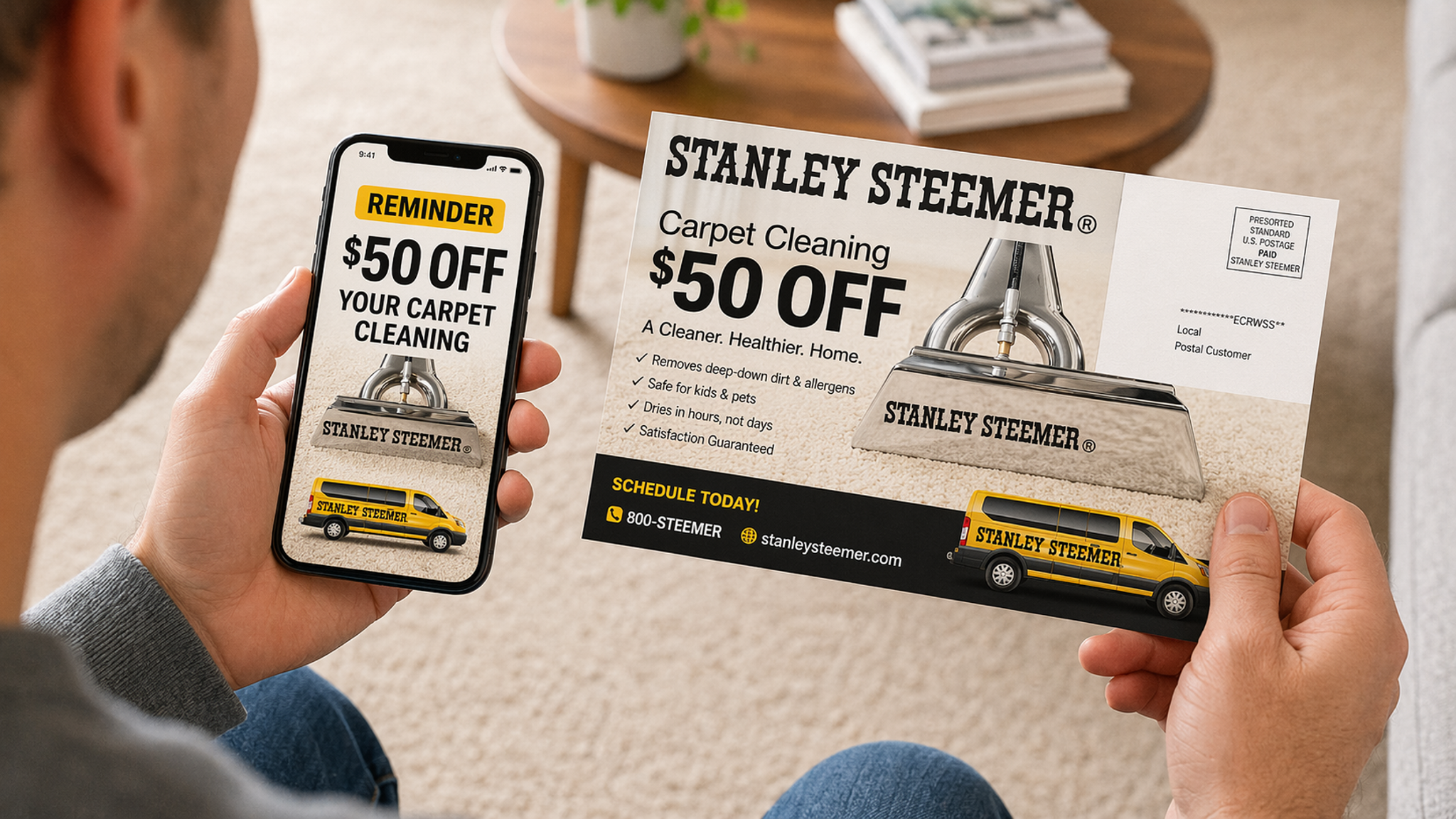
Omnichannel retail solutions connect ecommerce, physical stores, and marketing channels into a unified customer experience. By aligning customer data, messaging, and execution across touchpoints, brands can improve engagement, increase retention, and drive more consistent revenue growth.
Omnichannel Retail Solutions
Omnichannel retail solutions are strategies that connect ecommerce, physical stores, and marketing channels to create a unified customer experience.
- Connect ecommerce and physical store experiences
- Use unified customer data for personalization
- Coordinate marketing across email, direct mail, and mobile messaging
- Align campaigns to the customer lifecycle
- Improve engagement, retention, and lifetime value
What Are Omnichannel Retail Solutions
Omnichannel retail solutions are strategies and systems that connect customer experiences across ecommerce, physical stores, and marketing channels. The goal is to create a seamless experience where each interaction builds on the last, regardless of where it happens.
Unlike disconnected retail marketing efforts, omnichannel solutions ensure that customer data, messaging, and timing are aligned across every touchpoint.
Omnichannel retail solutions include:
This approach allows brands to move from isolated interactions to a more connected customer experience across channels.
Why Do Omnichannel Retail Solutions Matter?
Retail customers do not think in channels. They move between online and in-store experiences seamlessly. The challenge is that many brands still operate in silos.
Omnichannel retail solutions solve this by connecting the full customer experience.
When implemented effectively, they help brands:
- Improve the customer experience across touchpoints
- Increase customer engagement and retention
- Create more relevant, personalized interactions
- Drive higher lifetime value
The reality is this: disconnected retail experiences create friction. Customers receive inconsistent messaging, redundant offers, or irrelevant communications.
A connected approach removes that friction and creates a more consistent experience across how customers shop and engage.
How Do Omnichannel Retail Solutions Work?
Omnichannel retail solutions work by aligning three core components: data, messaging, and execution.
1. Unified Customer Data
The foundation of any omnichannel retail strategy is unified customer data.
This means connecting:
- Ecommerce behavior
- In-store purchases
- Loyalty program activity
- Engagement across email, direct mail, and mobile messaging
With a single view of the customer, brands can better understand behavior and deliver more relevant experiences.
Learn more about how Baesman supports this through customer data and engagement strategy
2. Coordinated Marketing Across Channels
Once data is connected, marketing execution must follow.
This includes aligning:
Each channel should play a defined role in how customers engage—not operate independently.
3. Lifecycle-Based Execution
Omnichannel retail solutions are most effective when campaigns are tied to key moments in the customer relationship.
Examples include:
- Welcome campaigns after first purchase
- Post-purchase follow-ups
- Replenishment reminders
- Reactivation campaigns
This ensures that messaging is not only coordinated—but also timely and relevant.
What Does an Omnichannel Retail Experience Look Like?
An omnichannel retail experience connects interactions across channels into a single, continuous journey.
For example, a customer might:
- Browse products online
- Visit a physical store to make a purchase
- Receive a follow-up email with related products
- Get a direct mail offer reinforcing future purchases
- Receive a mobile message reminder tied to a promotion
Each touchpoint builds on the previous one. The experience feels consistent and connected.
This is the difference between coordinated retail marketing and disconnected campaigns. Instead of isolated messages, customers experience a unified and consistent experience across channels.
What Are Common Challenges in Omnichannel Retail?
The biggest challenge in omnichannel retail is not access to channels. It is integration.
Many brands struggle with:
- Siloed customer data
Data lives in separate systems across ecommerce, stores, and marketing platforms
- Disconnected campaign execution
Teams operate independently, leading to inconsistent messaging
- Lack of lifecycle alignment
Campaigns are not tied to customer behavior or where customers are in their relationship with the brand
- Inconsistent customer experience
Messaging and offers vary across channels
The truth is, omnichannel success requires both strategy and execution. Without alignment across data, messaging, and operations, even the best strategies fall short.
What Is an Example of Omnichannel Retail in Practice?
A strong example of omnichannel retail solutions in practice comes from Baesman’s work with Stanley Steemer: In this case, the focus was on connecting customer data and marketing execution across channels to improve engagement and campaign performance.
The approach included:
- Leveraging customer data to drive segmentation and targeting
- Coordinating messaging across email, direct mail, and mobile messaging
- Aligning campaigns to customer lifecycle stages
- Creating a more consistent experience across touchpoints
Instead of running disconnected campaigns, Stanley Steemer implemented a more integrated approach—resulting in improved response rates and stronger customer engagement.
This illustrates a key point: omnichannel retail solutions are not about adding more channels. They are about connecting them.
Where Does Baesman Fit in Omnichannel Retail Solutions?
The challenge for most brands is not understanding omnichannel strategy—it is executing it.
At Baesman, this approach is foundational:
- Connecting customer data across systems
- Designing loyalty and lifecycle marketing strategies
- Executing campaigns across email, direct mail, and mobile messaging
- Supporting retail marketing across both ecommerce and physical environments
Explore Baesman’s retail marketing capabilities
This integrated approach reduces fragmentation and improves consistency, speed, and performance across campaigns.
What Makes an Omnichannel Retail Strategy Effective?
An effective omnichannel retail strategy is built on alignment between data, messaging, and execution.
Key elements include:
- A unified view of the customer across channels
- Consistent messaging across ecommerce and in-store experiences
- Lifecycle-based campaign timing
- Clear roles for each marketing channel
The biggest mistake is treating omnichannel as a technology problem. It is a coordination problem.
Brands that succeed focus on integration, not just tools.
FAQ: Omnichannel Retail Solutions
What are omnichannel retail solutions?
Omnichannel retail solutions are strategies and systems that connect ecommerce, physical stores, and marketing channels to create a unified customer experience.
How are omnichannel and multichannel retail different?
Multichannel retail uses multiple channels independently, while omnichannel retail connects them. The difference is integration—omnichannel strategies create a seamless experience across touchpoints.
Why are omnichannel retail solutions important?
They improve customer experience, engagement, and retention by creating consistent and relevant interactions across channels.
What channels are included in omnichannel retail?
Common channels include ecommerce, physical stores, email, direct mail, and mobile messaging. The focus is on how these channels work together.
How do you improve omnichannel retail performance?
Improving performance requires connecting customer data, aligning campaigns across channels, and delivering personalized, lifecycle-based experiences.
Final Takeaway
Omnichannel retail solutions are not about adding more channels. They are about creating connection across them.
When ecommerce, physical stores, and marketing channels are aligned through shared data and coordinated execution, brands can deliver more consistent experiences, improve customer engagement, and drive long-term growth.
Explore Omnichannel Retail Solutions
Explore how Baesman connects customer data, direct mail, email, and mobile messaging to execute omnichannel retail strategies that drive engagement and retention.



















.svg)